

Why Spring Is the Smart Time to Take Control of Your Energy
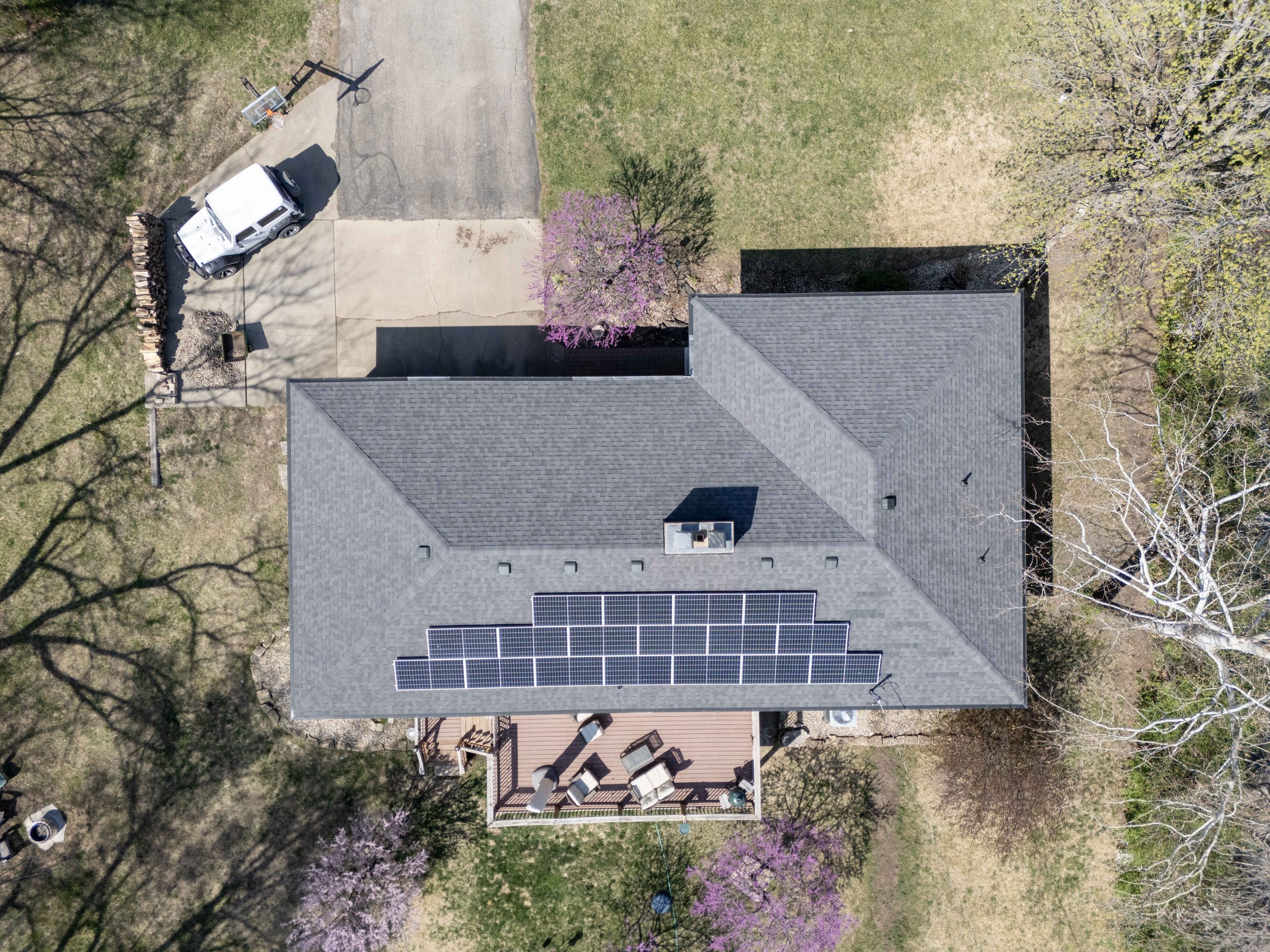
A drone picture of a roof-mounted solar panel install in spring.
Energy Costs Are Becoming Unpredictable
Energy used to be simple. You used it, paid the bill, and moved on. That’s changing. Rates are rising. Demand is climbing. And the grid is under more strain than ever—especially during summer peaks.
The result? Less predictability and less control over what you’ll pay.
The Real Problem: You Don’t Control Your Energy
Right now, your utility decides what energy costs. When demand spikes, prices follow. And those spikes are happening more often. You’re left reacting to the bill instead of controlling it.
Why Spring Is the Strategic Window
1. Lock in Production Before Peak Demand
Installing solar in spring means your system is ready when the sun—and demand—are at their highest. You generate energy when it’s most valuable, instead of paying peak rates for it.
2. Hedge Against Rising Rates
Utility rates don’t move in a straight line—they trend upward and fluctuate. Solar changes that. It gives you a more predictable energy cost over time, instead of being exposed to ongoing increases.
3. Build a Smarter Home Energy System
Solar is just the start.
Add battery storage, and your home becomes an energy system—not just a consumer. You can store power, manage usage, and monitor everything from your phone. That’s real control.
4. Get Ahead of Infrastructure & Demand Constraints
Energy demand is rising fast—and not just from homes. AI data centers and large-scale infrastructure require massive, constant power. That demand puts pressure on the grid, especially during peak seasons.
More demand with limited infrastructure leads to higher—and less predictable—costs. Installing solar now means you’re producing your own energy instead of competing for it later.
There’s also a practical factor: summer is the busiest time for solar installation. Waiting often means longer timelines, limited availability, and missed production during the highest-output months.
Early adopters benefit the most—both in timing and long-term value.
5. Integrate It the Right Way (Roof + Solar)
Solar isn’t just panels—it’s part of your roofing system. A proper installation protects your home, prevents future issues, and ensures everything works together long-term.
If your roof is nearing the end of its life, spring is the ideal time to address both at once. Installing solar alongside a new roof allows both systems to be designed together, aligned for long-term performance, and built on the same lifespan.
New roofing materials also create a clean, stable foundation for solar installation. That makes it easier to achieve proper attachment, sealing, and layout—reducing the risk of future disruptions or the need to remove and reinstall panels down the road.
Done together, roofing and solar become a single, integrated system—not two separate projects competing for attention later.
What Tech-Forward Homeowners Understand
This isn’t about buying a product. It’s about building infrastructure.Your home becomes a generator. A storage system. A controllable energy platform. And you can see it all—production, usage, savings—in real time from your phone.
What Happens If You Wait Until Summer
Spring:
Immediate energy production
Faster installation timelines
Full advantage of peak solar months
Summer:
Paying peak energy rates
Installation delays and backlogs
Missed opportunity during highest production season
Getting Started Is Simple
The process is straightforward:
Consultation to evaluate your home and goals
System design tailored to your energy needs
Professional installation built to last
Done right, it’s clean, efficient, and built for long-term performance.
Take Control Before Summer
This isn’t just about saving money. It’s about control.
Control over your energy.
Control over your costs.
Control over how your home performs in a changing energy landscape.
Spring is your window to get ahead of it.
FAQs
Is spring really the best time to install solar?
Yes. Installing in spring allows you to capture the highest production months while avoiding peak installation delays.
How does solar help with unpredictable energy costs?
Solar reduces your reliance on utility pricing, giving you more consistent and predictable energy expenses.
Do I need a battery with my solar system?
Not always, but pairing solar with a battery increases control by storing energy for later use and reducing reliance on the grid.
Should I replace my roof before installing solar?
If your roof is older or showing signs of wear, it’s often more efficient to replace it first. Installing solar on a new roof aligns both systems’ lifespan and avoids the cost of removing and reinstalling panels later.
Will energy demand really keep rising?
Yes. Growth in electrification, AI infrastructure, and population increases are all driving higher demand on the grid.
How long does installation take?
Most projects move from consultation to installation within a few weeks, depending on scheduling and system complexity.